
St Andrew’s Cemetery
St Andrew’s Presbyterian Church & Cemetery
3 Papakura-Clevedon Road
Trail marker #2
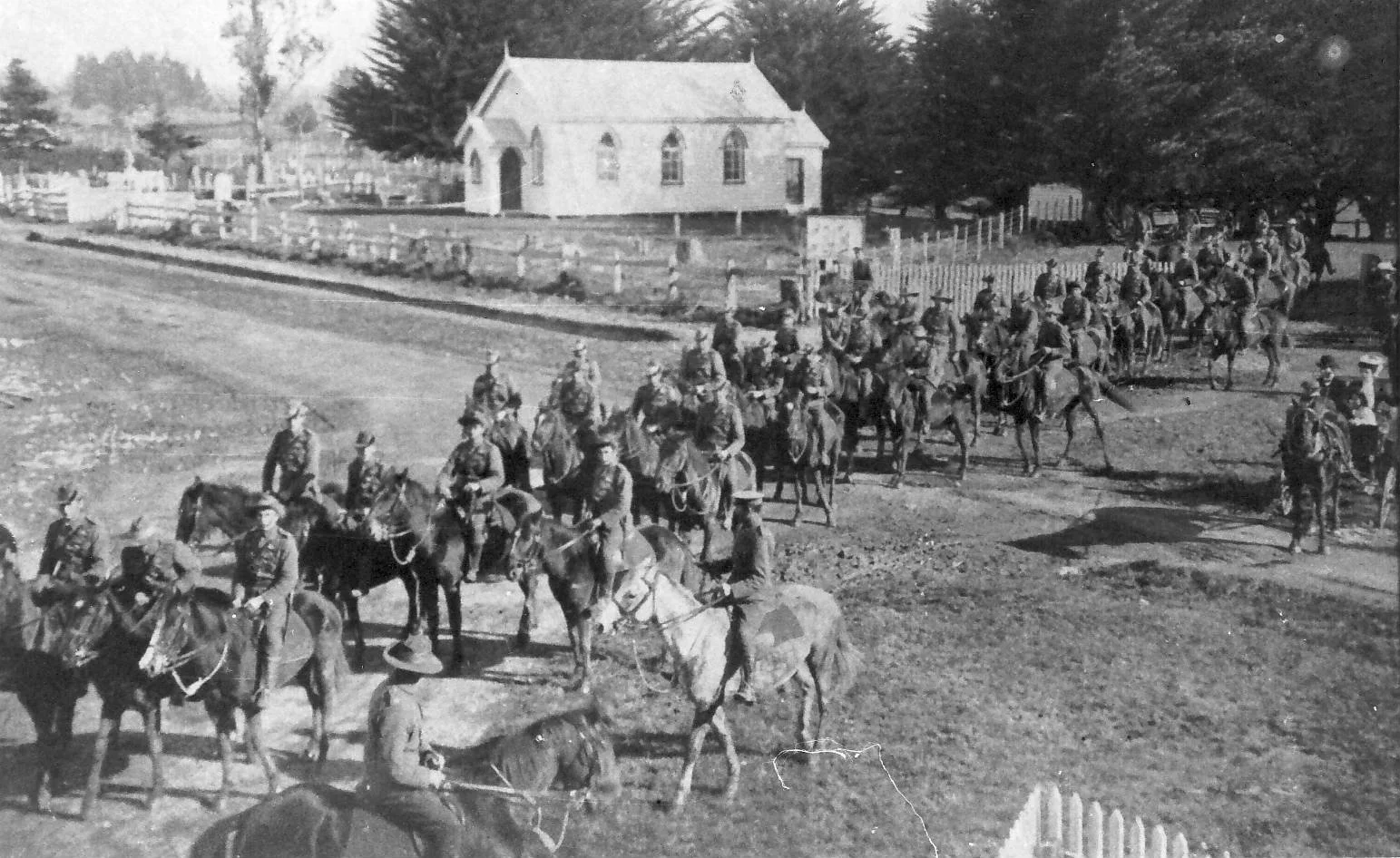
With the vast majority of early settlers to Clevedon originating from Scotland, it followed that the first church to be established in what was then known as Wairoa was to be Presbyterian.
The original church opened on this site in December, 1858, and it was here that the Clevedon School operated until moving to the public hall next door in 1874.
-
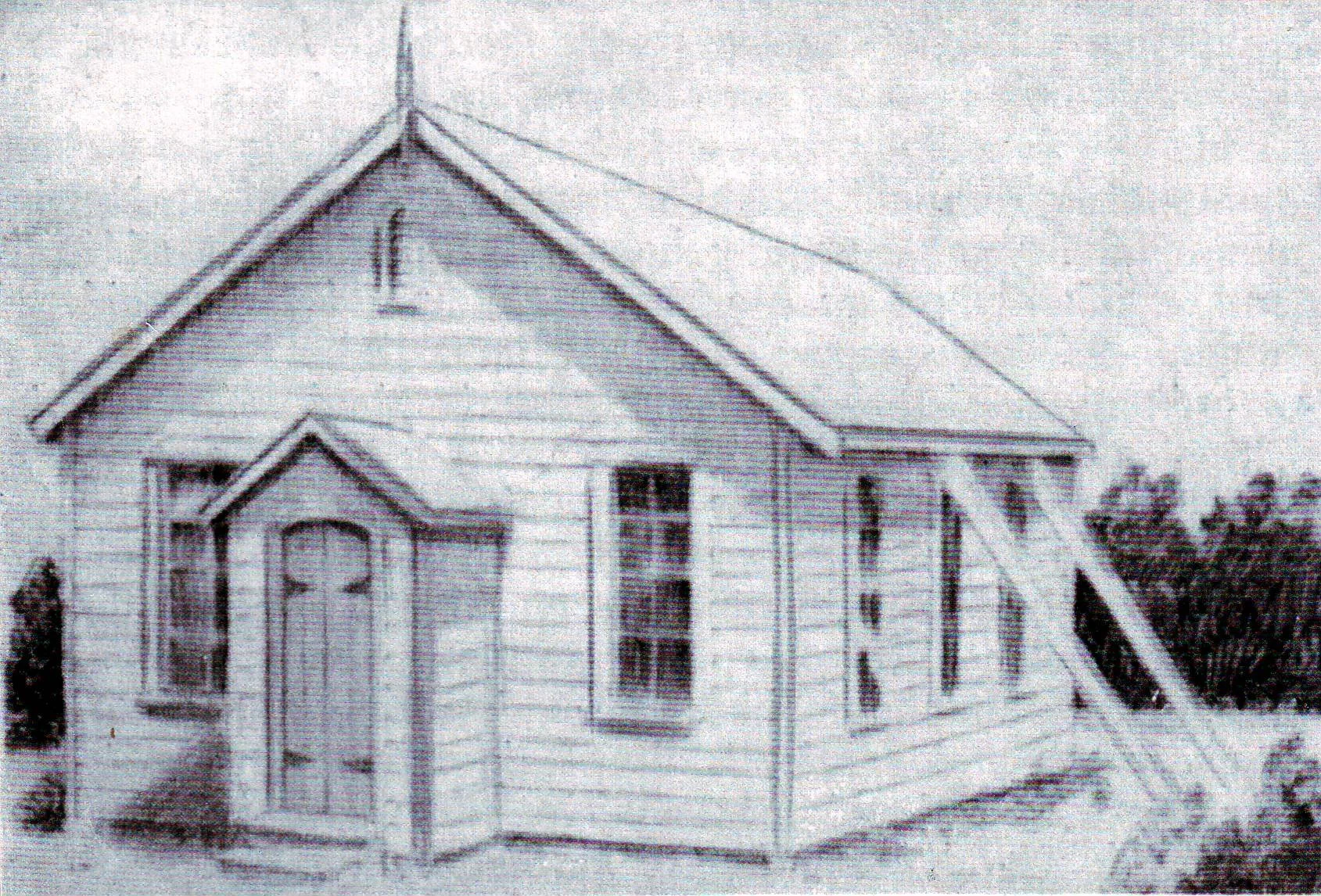
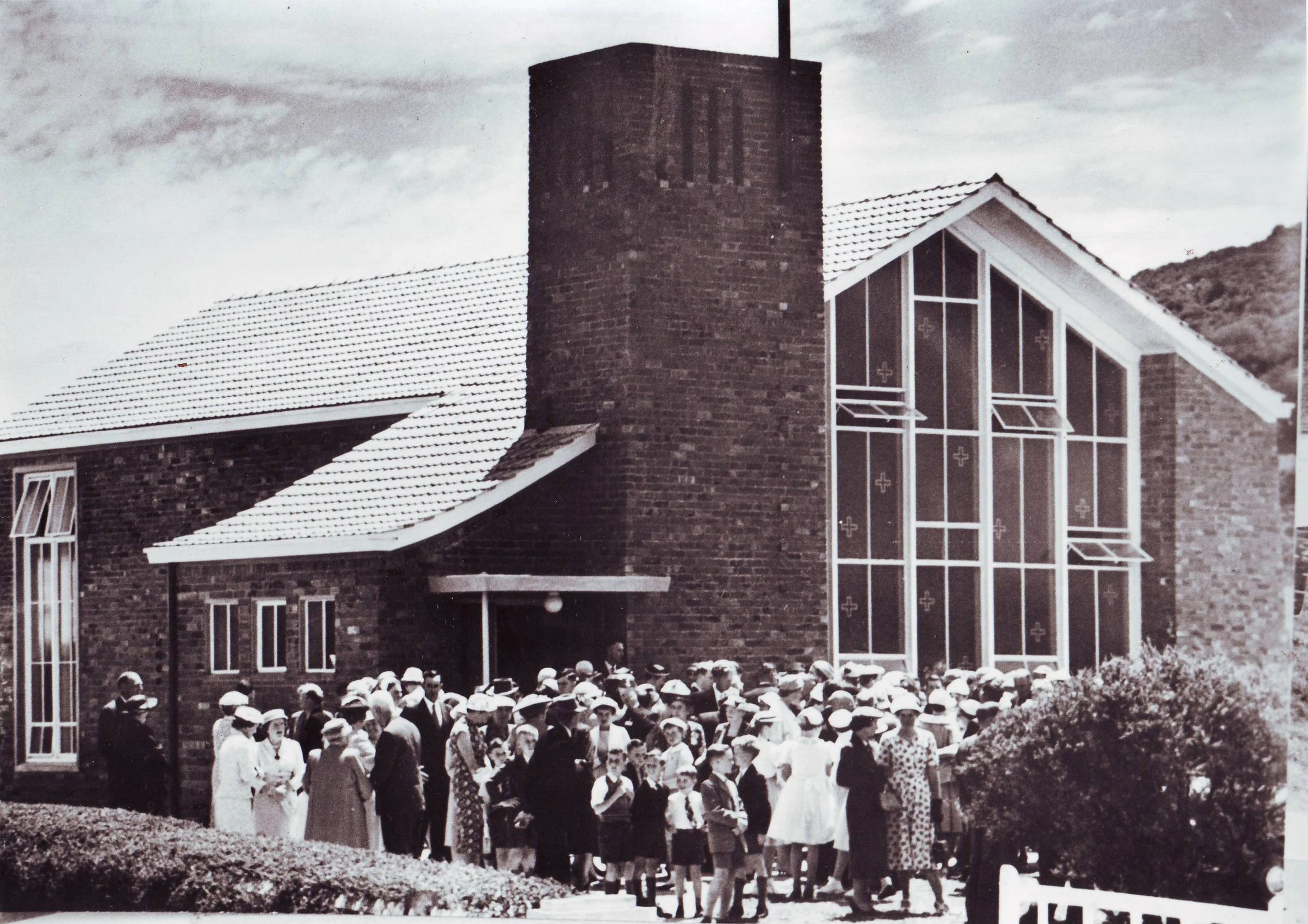
Like many local structures, the original church was built mainly from kahikatea, plentiful and close, but with a large amount of non-durable sapwood and just 30 years later it was structurally unsound. By 1887 plans were made to build on the same site using more durable timber. This second building lasted until 1957 when it made way for the present Church. In 2025, plans are now underway for a fourth church on this site to meet the needs of this growing community.
-
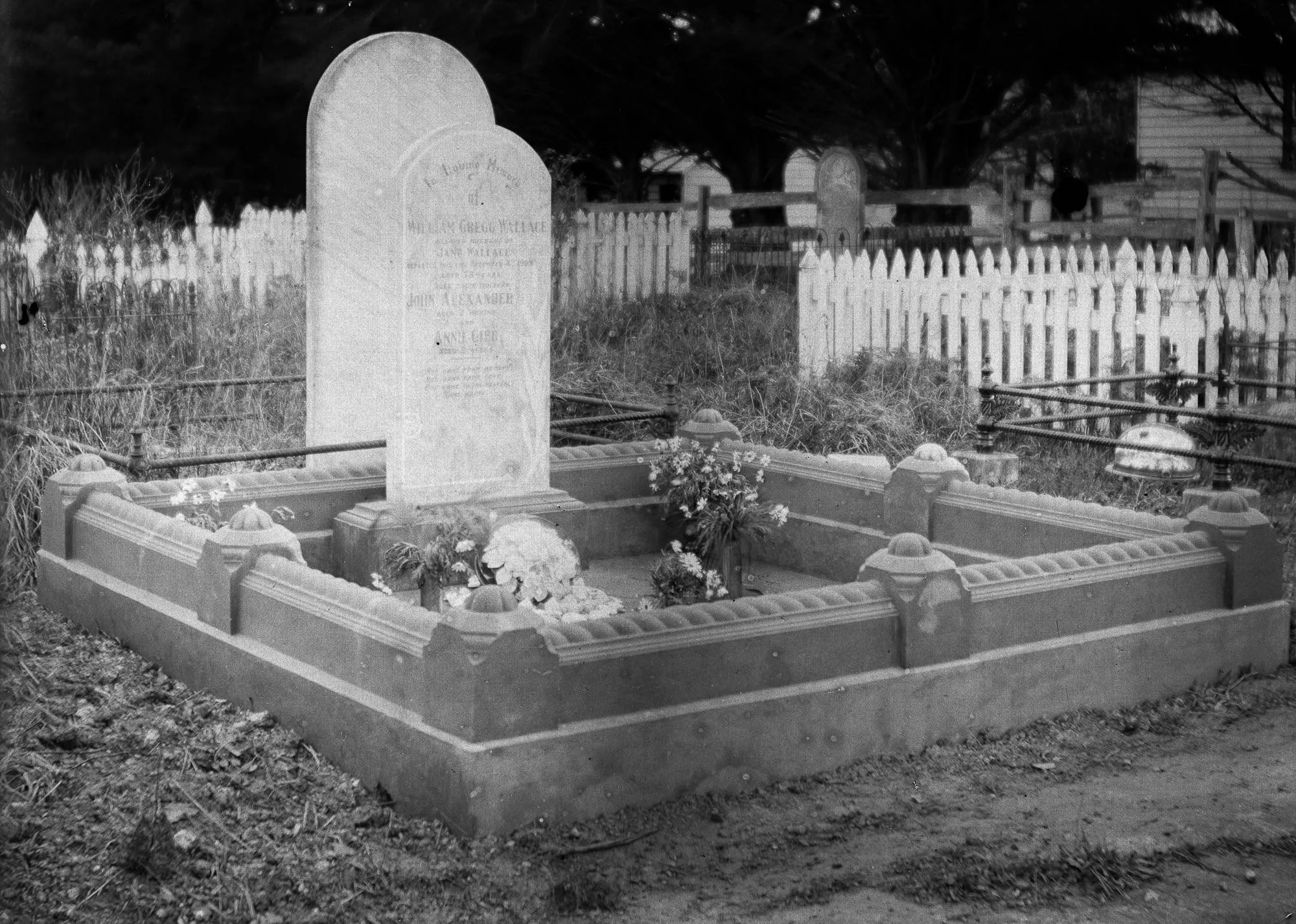
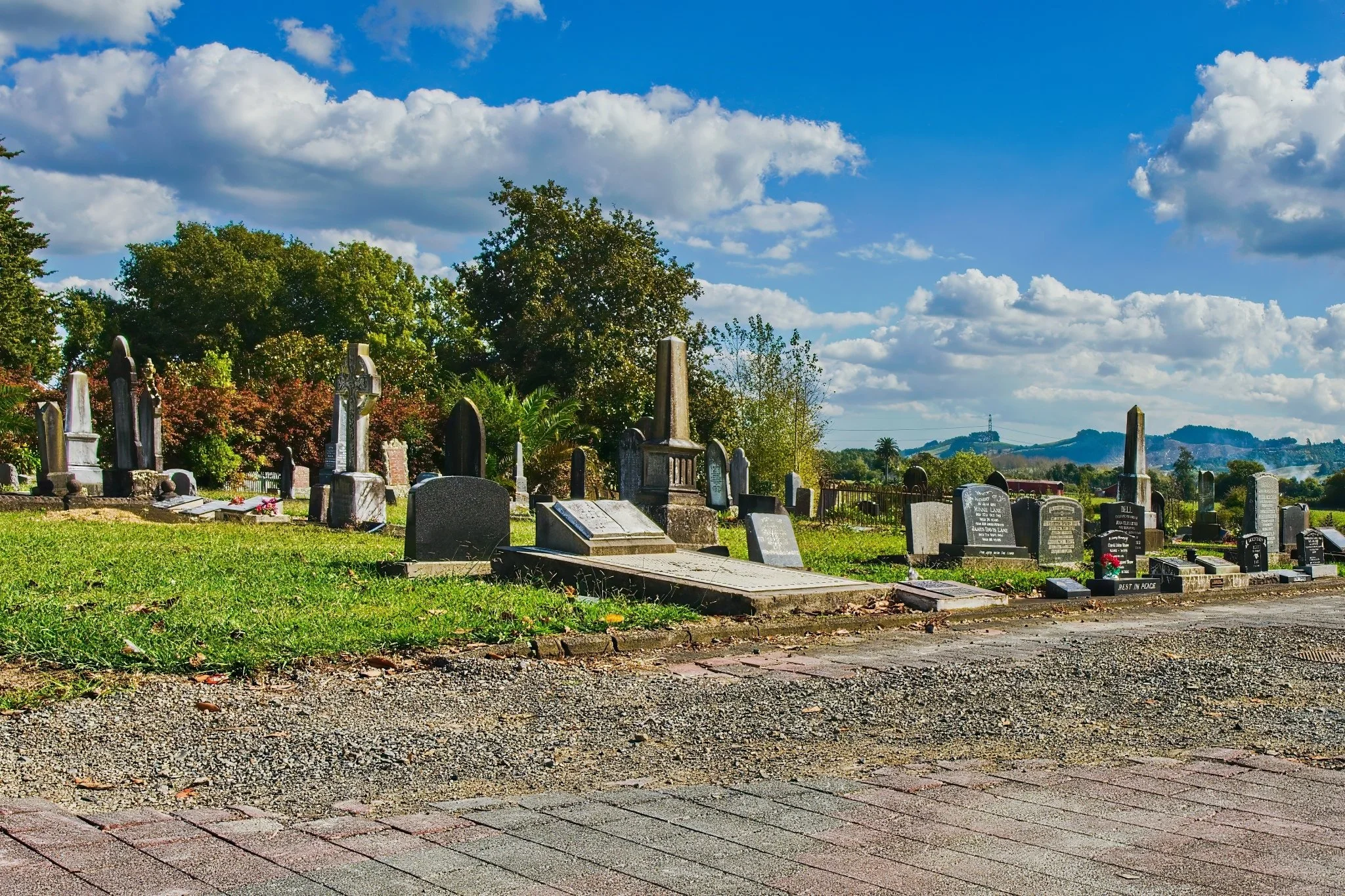
The headstones of St Andrew’s cemetery tells the story of early settler life. Here you will find the family names of the earliest settlers – the McNicols, Hoyes, Bains, Wilsons, Dows, Munros, Bells, Sutherlands, and then Lanes. The headstones recount early and untimely deaths and reflect the faith so prevalent in this era.
-
Can you locate the headstones of these three pioneer settler families? The McNicols and the Hoyes settled in the Wairoa Valley in 1853, and the Bains arrived shortly thereafter. In the pages of Voices of Belonging, Jessie Munro shares stories of loss of these early settlers.
The oldest grave at this site is dated August 1861 and is that of Betsy McNicol who, aged just five, fell into a well and drowned.
Between the McNicol and Hoye graves lies a red granite tombstone ‘shaped as logs with sawn-off branches and clearly marked striations of bark. It bears the inscription “Precious to the memory of Younger Bain, the wife of John Bain”, and its very form is a memorial of how she died. On 6 November 1861, quite probably during the urgent felling of bush in the anticipation of war, she had gone to take tea out to the men busy felling a tree, did not hear their warning, and was caught in the branches as the tree fell, and was killed.’
( VB, p.282-3)Married in 1855 at just 19, Mary Hoye “had nine children in quick succession and in 1871 died in childbirth, along with her infant. She was just 34.” (VB, p.107).
Mary was the wife of George Hoye, whose adjacent table grey headstone states simply, “First Settler in Clevedon”.
Location Map
You are currently at Heritage Trail Location #2, St Andrew’s Cemetery
Ready to see the next site? Follow the path highlighted on the adjacent map or follow the directions below to reach your next location:
Camp Sladdin, Clevedon Scenic Reserve (approx 750m)
-
Next site:
Camp Sladdin, Clevedon Scenic Reserve (approx 750m)Walk north, through the cemetery, and return to the main street at the church. Continue northwards approx 300m to Thorps Quarry Road and turn left.
Continue another 400m down Thorps Quarry Road, through the entrance of Clevedon Scenic Reserve. Camp Sladdin is on your left, approx 80m inside the reserve.

The information for each site has been thoughtfully prepared in collaboration with the Clevedon Districts Historical Society, drawing on Voices of Belonging by Jessie Munro, Yesteryears by F. Murray, and records from the McNicol Homestead Museum. Together, they tell the story of Clevedon and the people and places that made it the community we know today.
A special acknowledgement to photographer Donna Jepsen for her work capturing these sites as they appear today.
-
“Voices of Belonging”, Jessie Munro. 2016. Available to view and purchase at McNicol Homestead and for loan from the Clevedon Rural Library.
“Yesteryears”, Fraser Murray. 2009. Available to view and purchase at McNicol Homestead.
The Archeology of Clevedon Village and Wairoa River Valley, Opus.
The History of Clevedon School
An overview of our local history is available at clevedon.co.nz
Ngai Tai ki Tamaki’s history is rich and detailed in a number of online records;
• “Our Stories” on the Ngāi Tai ki Tāmaki website
• Section 2.0 Historical Account in Ngāi Tai ki Tāmaki’s Deed of Settlement
• This summary was produced for the Clevedon School 150 year anniversary